The DOT testing categories we cover
- Pre-employment — required before a driver performs safety-sensitive duties
- Random — unannounced selections through your consortium or company program
- Post-accident — after qualifying crashes, on the strict DOT timeline
- Reasonable suspicion — when trained supervisors document signs of use
- Return-to-duty & follow-up — collections on the DOT schedule once a driver's SAP evaluation is complete
What's on the DOT panel in 2026
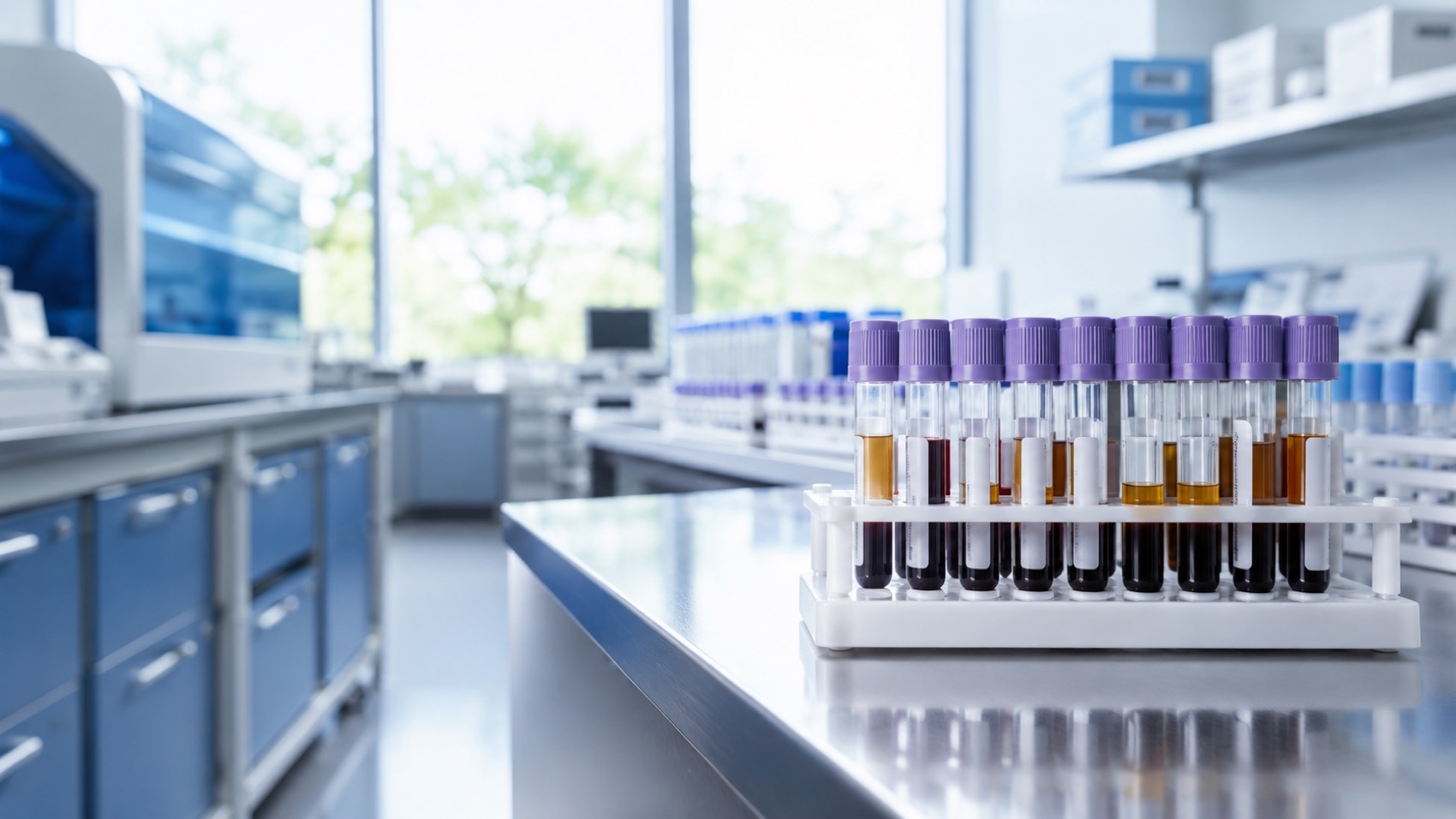
The DOT urine panel tests for five categories: marijuana (THC), cocaine, amphetamines (including methamphetamine and MDMA), opioids, and PCP. As of 2025 the opioid group includes semi-synthetic opioids, and fentanyl has been added to federal panels. DOT breath and, where authorized, oral-fluid alcohol testing is also available. Every non-negative result is reviewed by an independent Medical Review Officer before it's reported.
Chain-of-custody & MRO review
DOT testing is strict for a reason. Every collection uses the federal chain-of-custody form (CCF), tamper-evident seals, and split-specimen handling so a driver can request a re-test of the split if needed. Results go to a certified lab and then to a Medical Review Officer, who verifies any positive against legitimate medical explanations before reporting. We follow the process exactly so your results are compliant and defensible.
Clearinghouse-aware
For FMCSA-regulated drivers, pre-employment queries and violations run through the DOT Drug & Alcohol Clearinghouse. We keep your program aligned with Clearinghouse requirements so nothing slips through the cracks.